News
The Filing Cabinets Are Disappearing, but the Responsibility Remains. Digital Accounting Discussed at MKBR
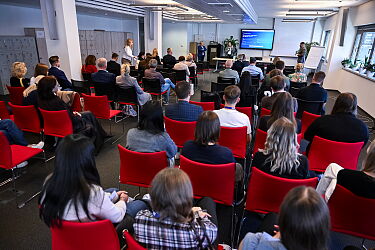
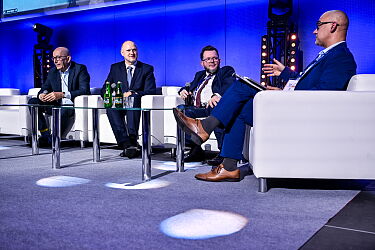
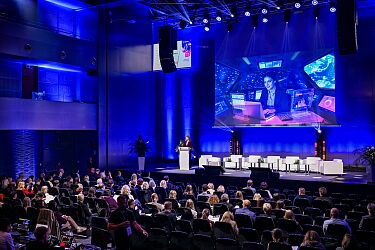
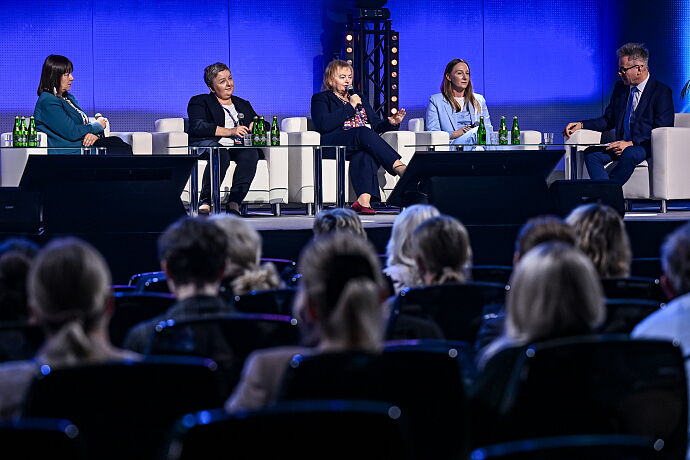
The panel featured Anna Aniszewska, President of the Management Board of Tax Free accounting firm, Monika Salawa, owner of Solidna Księgowa Accounting Firm, Małgorzata Wysołuch, Product Commercialisation Manager at Symfonia, and Małgorzata Mazur, co-founder and Managing Partner at Value Finance and an expert in management accounting and digital transformation.
The discussion began with the question of electronic versus paper documentation. Does an accounting firm without filing cabinets still sound like a vision of the future? The panellists pointed out that digital document workflows are already part of everyday work, and their development is also changing what clients expect from accountants.
Trust Is Moving from the Filing Cabinet to the System
Małgorzata Wysołuch pointed out that for many years, clients could associate the security of their documents with their physical presence in the accounting office. A company-labelled file, a locked cabinet and a key were clear signs that the accountant was looking after them.
In a digital environment, the same client needs different information: how documents reach the accounting firm, where they are stored, who has access to them and how they are protected. According to the Symfonia representative, a general assurance that data is secure may not be enough. Credibility comes from being able to explain the process in a few clear and easily understood steps.
An organised document workflow also makes everyday work easier. Having access to contracts, returns and financial records in one place makes it easier to find information and prepare the materials a client, bank or investor may need.
A Good System Needs Informed Users
Cybersecurity was another major theme of the discussion. The panellists stressed the importance of choosing trusted providers, putting appropriate safeguards in place and maintaining backups. They also pointed out that firms without their own IT resources can turn to external specialists for support.
Particular attention was paid to employees. They receive messages, open attachments and exchange documents with clients every day. Without sufficient awareness of the risks, they may make a mistake that puts data at risk despite all the technical safeguards in place.
The panellists encouraged business owners to share the knowledge they gain at conferences and training sessions with their teams. Procedures should be clear to the people who apply them in practice. Employees need to know how to recognise a suspicious message and what to do when they have doubts.
The discussion also highlighted the importance of explaining data protection procedures to clients and reminding them about security on their own side. Such measures demonstrate that the accounting firm is concerned with the wider interests of the business it serves.
The Accountant, the Client and the Financing Institution
The next topic was the role of an accounting firm in preparing a business for a loan, attracting an investor or selling the company.
Małgorzata Mazur stressed the importance of accurate and consistent documentation. Technology makes it possible to prepare data quickly, but an accountant should also understand the client's plans and identify issues requiring attention early enough. Gaps discovered only during discussions with an investor can delay the entire process.
Anna Aniszewska stressed that a strong accounting firm's reputation alone does not guarantee that a client will secure financing. What adds real value is professional preparation: analysing the client's situation, identifying the financing institution's requirements and providing a complete set of documents.
She encouraged accounting firms to establish a procedure for situations in which a client needs financing. This can reduce repeated requests for missing documents and streamline communication. She also stressed that any additional work should be clearly defined and appropriately priced.
An Accounting Firm's Brand Has a Human Face
Monika Salawa spoke about building brand recognition through social media. Sharing knowledge allows prospective clients to get to know the accountant, her approach to explaining regulations and the way she works with business owners before making initial contact.
She stressed, however, that the number of followers does not automatically translate into the number of clients. Choosing an accounting firm requires trust, and building that trust takes time and consistency.
The importance of human contact ran throughout the entire panel. Clients want to know what stage their case has reached, what has been checked and what action will be required. What may be a routine task for an accountant can be a significant source of stress for a business owner.
The discussion at MKBR showed that a modern accounting firm builds credibility through everyday practice: secure document workflows, a well-prepared team, reliable data and effective communication. These are the elements that enable digitalisation to translate into better client service


Recommended articles