News
Poland increases its military potential - closer to integrated air defence
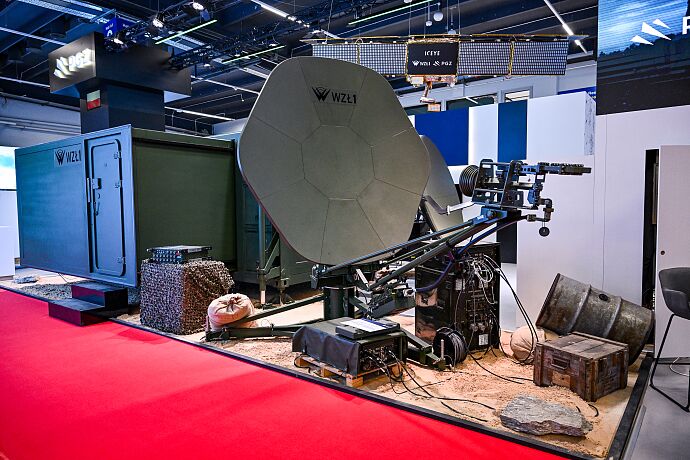
The construction of an integrated air and missile defence system (the so-called "Polish Air Shield") is one of the most complex and expensive modernisation projects in the Polish Armed Forces, encompassing the Wisła, Narew and Pilica+ programs. – Poland keeps building one of the most modern air defence systems in the world – said Dawid Kamizela, editor of the Strefa Obrony portal. The entire scheme is designed to provide layered protection, ranging from very short to medium range. As part of the Wisła program, Poland is acquiring the Patriot system, integrated with the American IBCS command system, for its medium-range defence. In December 2024, the squadron achieved initial operational readiness, as reported by Brig. Gen. Michał Marciniak - it was described as a historic step. As he emphasised, "we are switching to very modern equipment," and the implementation of this program, which began in 2018, is starting to bring the first tangible results.
The lower layer is protected by Mała Narew, a very short-range system based on British CAMM missiles and Polish radars and launchers. Already in 2023, this system was operationally tested and quickly put into combat duty. The next piece of the puzzle is Pilica+, a short-range system that combines artillery and missile capabilities, utilising Piorun and CAMM missiles. It also develops anti-drone capabilities, which are crucial in the era of mass use of uncrewed aerial vehicles.
Despite these successes, many challenges remain, which is why special attention is being paid to programmes to acquire Saab 340 early warning aircraft and radar aerostats, which are intended to fill the current gaps. No less demanding is the integration of all systems within IBCS, which is carried out in collaboration with partners from the USA and the United Kingdom. This is a technically and administratively complex undertaking, but – as the representatives of the Armaments Agency emphasise – it is possible to carry out thanks to determination and close cooperation.
Editor Dawid Kamizela drew attention to this context and he wondered: “What is the progress of work on Polish components of these systems, such as P-18PL radars and passive location systems?”. At another point, he stressed the importance of full integration of the different layers of defence, reflecting: “Will the pace of program implementation allow us to build a coherent air shield covering both Wisła and the Narew and Pilica programmes?”. In his statements, he also emphasised the need for rapid development of defence against drones, noting, “We see how much of a threat drones are becoming on the modern battlefield. What role will the Pilica+ system play in this regard?.
In summary, Poland is consistently developing multi-layered air defence; some systems have already reached operational readiness, others are in the implementation or testing phase. However, the entire project requires further investments in technologies, early warning, drone defence and integration with allied solutions. Poland's Air Shield is gradually becoming a reality, but the path to full effectiveness still requires time, resources and determination.
(ŁK)
Recommended articles