News
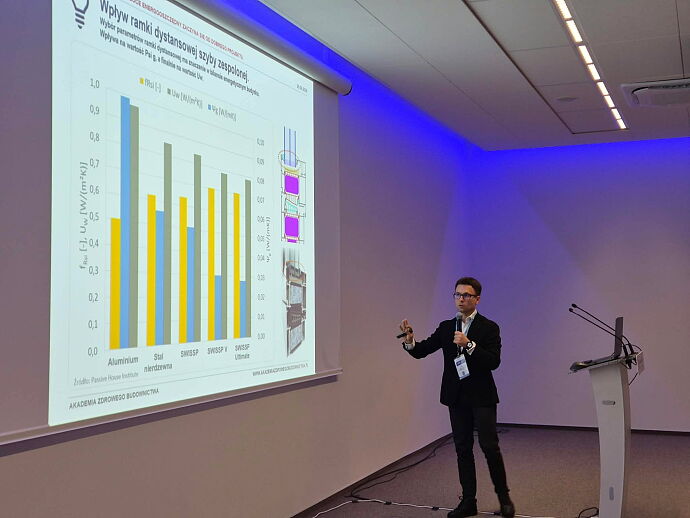
A window can change the energy balance of an entire building. Experts on the future of energy-efficient construction
26 September 2026
Window systems are no longer simply one of the elements of a building. When properly designed, they can reduce energy losses, make use of solar gains and influence the energy balance of an entire property. Experts discussed how to harness this potential in passive and net-zero energy buildings, as well as in buildings undergoing renovation, during the Go Passive Archi Masterclass training conference, held on 26 September as part of WinDoGlass Innovation at Expo Kielce.


Recommended articles
26 September 2026
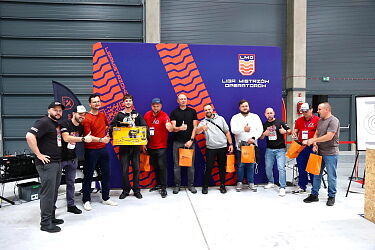
How precisely can a mini crane be operated? At the WinDoGlass trade show, participants in the Mini Crane Operator Challenge proved that, in the hands of an experienced operator, a machine can do far more than simply move heavy loads – it can even… draw and hit a target with a marker. The competition consisted of two challenges, with a tie-break deciding the final results.
25 September 2026
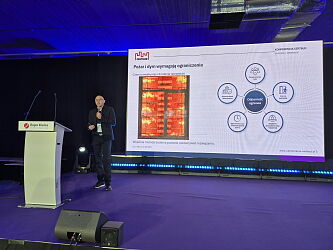
From burglary resistance and safe evacuation to new regulations, EPDs and the product passport – experts at the CERTBUD conference during WinDoGlass Innovation discussed the requirements currently facing window and door manufacturers.
25 September 2026
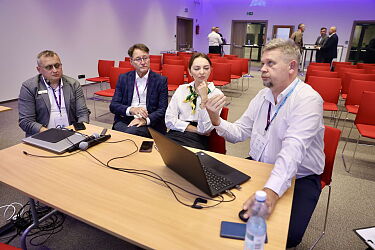
Three decades ago, IT specialists travelled to customers carrying modems. Today, WH Okna supports manufacturers from quotation through to logistics, while blueEvo manages building access. At WinDoGlass Innovation, Winkhaus demonstrated how technology has transformed the window and door industry.
25 September 2026
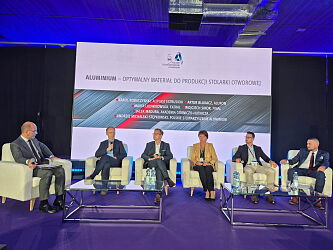
What role does aluminium play today in the production of windows, doors and other building joinery, and in which direction will this market segment develop? These were among the issues discussed by experts during the panel “Aluminium – the optimal material for the production of windows and doors”, held as part of the inaugural WinDoGlass Innovation at EXPO KIELCE.
25 September 2026
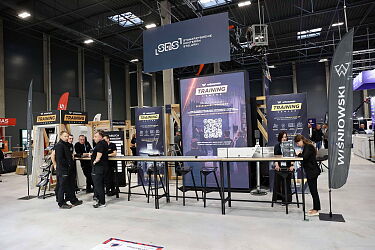
Hands-on demonstrations, the opportunity to carry out installations themselves, and presentations of solutions designed to make everyday work easier – this is what the zone prepared by the Association of Joinery Installers together with its partners has to offer. As Szymon Kwaśnik, President of the Association of Joinery Installers, emphasises, practical experience is the priority here.
25 September 2026
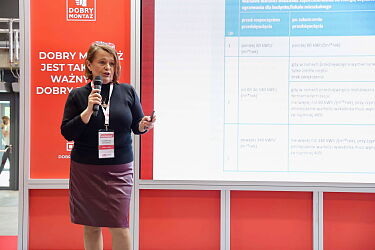
Who can benefit from the “Clean Air” Programme, how much funding is available, and why replacing windows alone is generally not enough to qualify for a grant? Katarzyna Kitlińska of the Provincial Fund for Environmental Protection and Water Management in Kielce discussed the current programme rules, income thresholds, energy audits and requirements for windows and doors during WinDoGlass Innovation.
25 September 2026
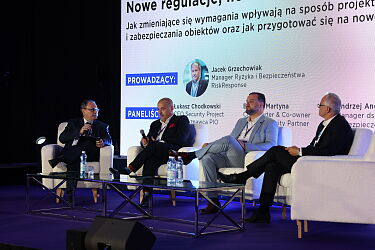
A solid lock is no longer enough. Today, business security combines physical protection, cyber resilience, access control and procedures. New risks and solutions were discussed during the Winkhaus Knowledge and Inspiration Zone at WinDoGlass Innovation.
23 September 2026
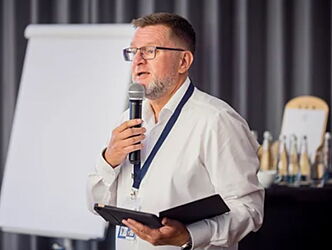
How can modern buildings be effectively secured? What do RC resistance classes mean in practice? How can protection against burglary, electronic access control, natural ventilation and modern technologies be combined? The answers will be provided by the Knowledge and Inspiration Zone powered by Winkhaus during WinDoGlass Innovation. Visitors can look forward to two days of panel discussions, presentations, demonstrations and individual consultations with experts.