News
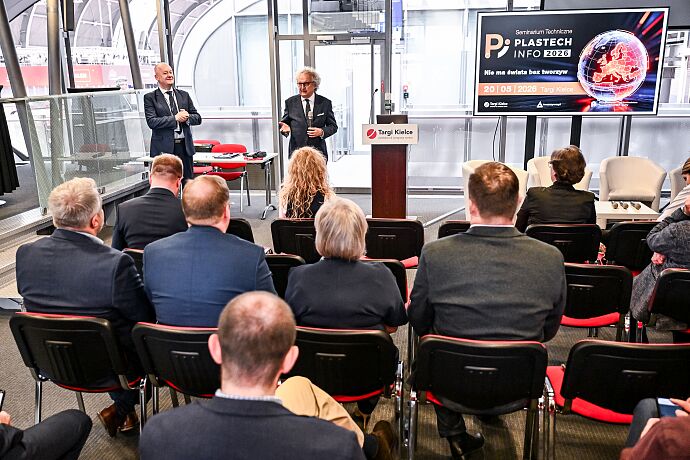
"There is no world without plastics." Plastech Info Discusses the Industry’s Future at the PLASTPOL Jubilee Expo
20 May 2026
On the second day of the milestone 30th edition of the PLASTPOL fair, participants of the Plastech Info Technical Seminar are diving into discussions on the sector's future under the banner “There is No World Without Plastics”. One of the cornerstone events of the seminar is a panel discussion examining the European plastics industry over the next 30 years. The meeting also pays tribute to the lasting legacy of Professor Henryk Zawistowski.


Recommended articles

25 May 2026
15,000 visitors from Europe, Asia, and Africa, 660 exhibitors from 36 countries, hundreds of live machines in action, millions in signed contracts, and a landmark 30th anniversary—the Plastpol International Fair of Plastics and Rubber Processing has firmly cemented its position as one of Europe’s premier industry events. Over four days, Targi Kielce became a global epicentre for the plastics sector, bringing together key industry players from around the world.
21 May 2026
During the 30th PLASTPOL at Targi Kielce, the event “Italian Polymers, Compounds & Masterbatch Solutions – Expertise Driving Innovation in Automotive” was one of the features. Organised in collaboration with Confindustria Polonia, the meeting showcased Italian expertise in polymers, polymer compounds, colour masterbatches, and additives for the automotive industry.
20 May 2026
The finest products, innovative technologies, and most spectacular exhibition displays were officially honored during the PLATINUM PLAST gala, held alongside the PLASTPOL 2026 trade fair. The Competition Committee presented medals, distinctions, and TOP DESIGN awards to companies showcasing cutting-edge solutions for the plastics processing industry.
20 May 2026
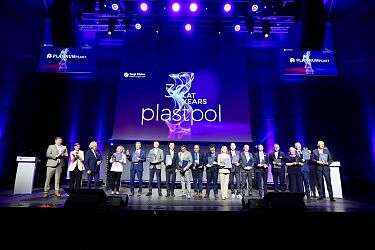
The PLASTPOL Trade Fair celebrates its grand 30th anniversary this year. At the prestigious PLATINUM PLAST gala, companies that have co-created the event since its inception and have profoundly contributed to its growth were officially honoured. They were presented with the distinguished “Architect of Success” statuettes.
20 May 2026
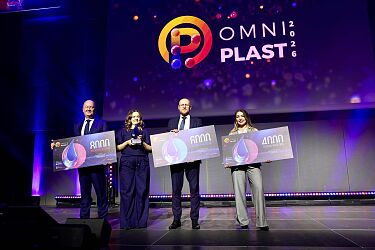
The grand finale of the OMNIPLAST 2026 competition, a traditional highlight accompanying the PLASTPOL International Fair of Plastics and Rubber Processing, has concluded. The winners were officially announced during the prestigious PLATINUM PLAST gala on the second day of the event.
20 May 2026
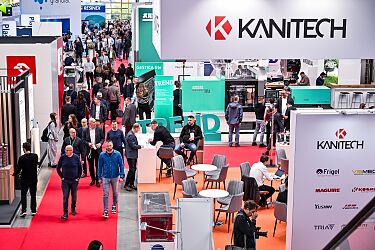
Crowds of visitors, guests from 50 countries, and international media attend the landmark 30th anniversary jubilee edition of the fair
19 May 2026
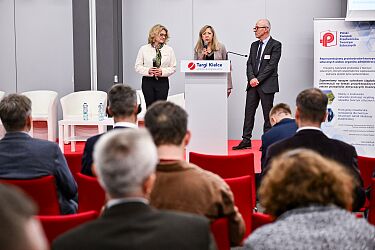
Representatives of the European plastics industry, market experts, trade organisations, entrepreneurs and journalists gathered at Targi Kielce for the Plastics Industry Meeting conference. Held ahead of PLASTPOL 2026, the event became an important forum for discussions on the state of European industry, the impact of EU regulations, and the challenges of maintaining market competitiveness against global producers.
18 May 2026
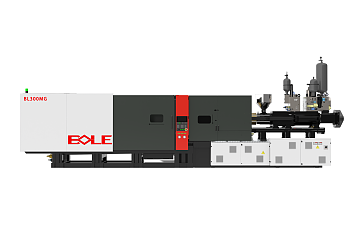
The plastics industry is accelerating technologically, automating production and increasingly focusing on the circular economy. The latest solutions for the sector will be presented during the 30th International Fair of Plastics and Rubber Processing PLASTPOL, held from 19 to 22 May 2026 at Targi Kielce. The event brings together 660 exhibitors from 36 countries worldwide. The event is attended by 660 exhibitors from 36 countries.