News
Meat in Poles' baskets. The Meat Industry and Modern Retail Round Table opens at Expo Kielce
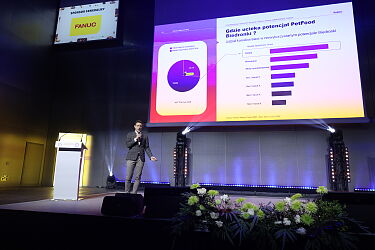
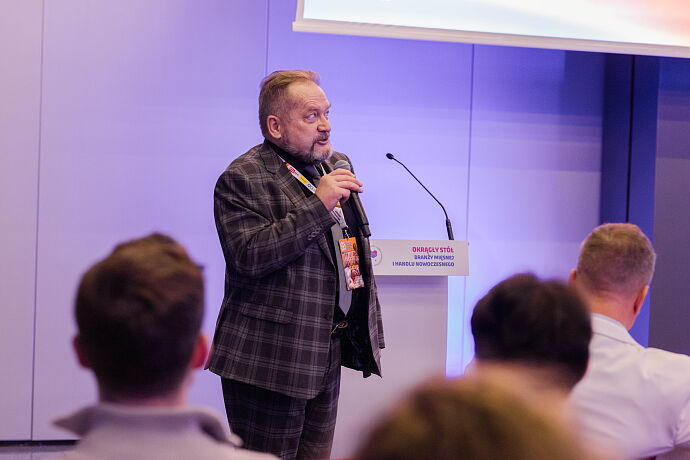
Proceedings opened with Grzegorz Mech of YouGov, who painted a picture of the meat and cold-cuts market through the lens of Polish household shopping. The analysis, based on a panel of 8,000 households, covers products bought for home consumption. Figures for the first half of 2026, compared with the same period a year earlier, show that meat may be in almost every basket, but not every category is faring equally well.
Of the main meat categories analysed, poultry performed best. Volume sales rose by 2.6 per cent. Over the same period, households bought 1.4 per cent less pork, 5.2 per cent less beef and 4 per cent fewer cooked and cured meats. The total volume of fresh meat and poultry bought was virtually unchanged.
The impact of prices is most striking in beef. Households bought less of it, yet spent 7.3 per cent more on it. That is because the average purchase price was 13.2 per cent higher than a year earlier. Pork told a different story: a 6.3 per cent fall in the average price went hand in hand with a 7.6 per cent drop in spending. It is an important distinction for producers and retailers: higher spending on a category does not necessarily mean consumers are buying more of it.
The data also showed shoppers sticking with old favourites. Pork loin accounted for 20.9 per cent of the pork bought by volume, and pork neck for 14.2 per cent. Together they made up more than a third of the category. In poultry, chicken dominated with an 81.7 per cent share. Among cooked and cured meats, traditional thin sausages, frankfurters and wieners, and hams together accounted for more than half of volume sales.
Where people shop was another key theme. Discounters accounted for 46.4 per cent of poultry volumes and 43.3 per cent of cooked and cured meats. Small-format stores nonetheless held their ground, with a 29 per cent share of beef purchases and 28.8 per cent of cooked and cured meats. Butcher's shops and producers' own outlets play an important part in this channel.
The way products are sold is changing too. According to the presentation, the traditional deli counter and loose sales by weight are losing ground to pre-packed products. In the first half of 2026 these already made up 55.5 per cent of cooked and cured meat volumes. Across fresh meat and poultry combined, their share was 44.4 per cent.
Grzegorz Mech also looked at plant-based alternatives. The share of households buying meat substitutes fell by 1.36 percentage points, and volume sales in the category dropped by 7.1 per cent. Yet the households that still bought them were buying more on average. So the picture is more nuanced than a simple meat-versus-plants contest: a smaller pool of buyers is offset by heavier buying among those who remain loyal to the category.
From production safety to AI: the meat debate at Expo Kielce
The consumer data set the scene for the rest of Thursday's discussions. The Round Table programme features speakers from HAMILTON Poland, Ralen Group, M PetFood and ULMA Packaging Polska. Topics include production safety, staff retention and technology. A separate session is devoted to the quality of meat raw materials for pet food, since how they are selected and their specifications checked affects the production process, the finished product and costs.
The hands-on part of the programme is a two-hour workshop led by Wojciech Szymański of Ideo Force on how managers in the meat industry can use AI. Participants will work on applications in market analysis, sales, marketing and reporting. There is also a workshop by Wiktoria Imiołek of KartsDesign on making videos featuring animals to help promote pet food products.
The Round Table is organised by the monthly magazine ‘Rzeźnik Polski’ (The Polish Butcher) and the Association of Butchers and Meat Processors of the Republic of Poland. It is taking place in the Delta hall of the Expo Kielce Congress Centre as part of the 2nd Professional Pet Food Congress, held alongside the Future Pet Food fair on 22–23 October. Thursday's programme will round off at 4.15 pm with a gala in the Omega hall, where the Smak Jakości® (Taste of Quality) and Pet Choice Award® prizes will be presented.


/MŚ/
Recommended articles