News
Labrador, Maltese or Perhaps an Azawakh? From Familiar Favourites to Exceptionally Rare Breeds
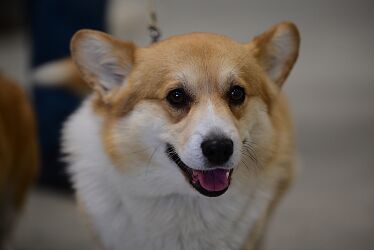
A small and energetic Jack Russell Terrier, a family-friendly Golden Retriever, a dignified German Shepherd, a petite Maltese or a distinctive French Bulldog – representatives of these breeds can be found with little difficulty in Polish cities. The popularity of individual breeds changes with fashion and owners’ lifestyles. When choosing a dog, factors such as size, temperament and whether the dog is suited to life in a flat are becoming increasingly important alongside appearance.
Yet the world of canine breeds certainly does not end there.
Dogs You Don’t See on Every Walk
Official lists and show programmes organised under the auspices of the Polish Cynological Association feature breeds that the average dog lover may never have seen in the flesh. These include the Azawakh – an exceptionally slender sighthound originating in Africa – the Sloughi, also known as the Arabian Greyhound, as well as lesser-known herding and hunting breeds.
And it is precisely the opportunity to see such dogs that is one of the greatest attractions of dog shows. It is not simply about striking looks. Every breed has its own history, purpose, temperament and characteristics that breeders have developed over generations.
For centuries, the Azawakh accompanied the people of the Sahel region. Sighthounds were bred for speed and hunting, herding dogs helped people work with livestock, while many small companion breeds spent years as favoured companions at European courts. Today's show offers an opportunity to see dogs representing completely different types of conformation and working ability side by side.
And What About Our Polish Breeds?
Native breeds hold a special place in the world of canine breeding. Poland can boast five breeds recognised by the Fédération Cynologique Internationale (FCI). These are the Polish Lowland Sheepdog, Tatra Shepherd Dog, Polish Hunting Dog, Polish Hound and Polish Greyhound. The Polish Cynological Association also lists the Polish Hunting Spaniel as a breed not currently recognised by the FCI.
And while names such as the Tatra Shepherd Dog and Polish Hound are widely known, that does not necessarily mean that we often encounter these dogs on a walk around our neighbourhood. This is precisely why dog shows also provide an opportunity to discover Poland's own canine heritage.
Hundreds of Breeds, and Every One Different
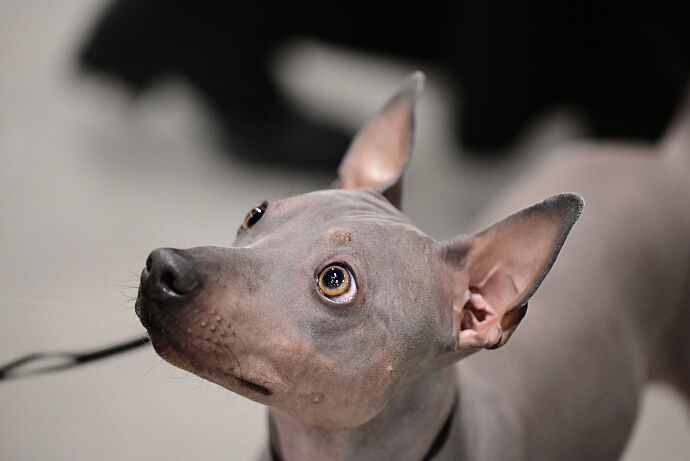
The differences can be enormous. From a companion dog weighing just a few kilograms to powerful mastiffs, from virtually hairless breeds to dogs with magnificent coats, and from calm homebodies to four-legged companions bred for hours of demanding work.
A dog show allows visitors to see these differences up close, as well as talk to breeders and owners. This is particularly valuable for anyone considering getting a dog. Appearance, which is often the first thing to catch our attention, is just one of many characteristics that define a breed.


Which breed will prove the biggest surprise for the public? Visitors can find out at the International Dog Show DUO CACIB at Expo Kielce this November. It is an opportunity, in a single day, to see both the four-legged companions familiar from Polish homes and streets and dogs we might otherwise never encounter on an ordinary walk throughout our entire lives.
Recommended articles