News
How are foreign pilgrimages changing? New trends featured at SacroExpo
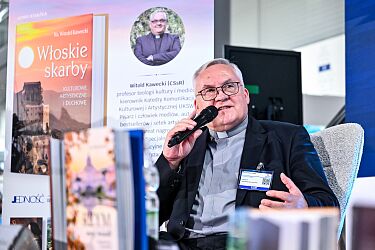
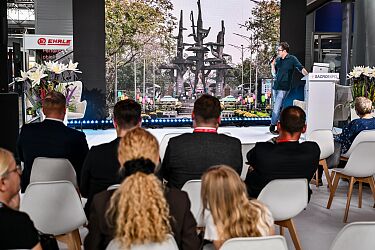
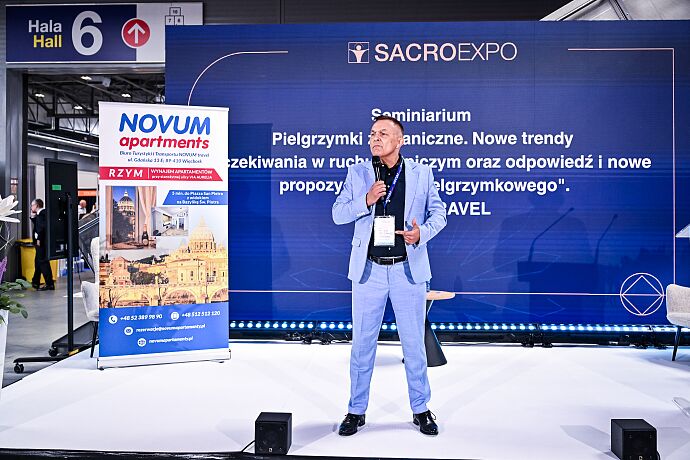
The speaker presented the evolution of the foreign pilgrimage movement over recent decades. He recalled the early 1990s, when few specialised pilgrimage agencies were operating in the market, and the impetus for the development of religious trips was the pilgrimages associated with the pontificate of St. John Paul II. At that time, pilgrims were prepared for long, demanding bus journeys, lasting up to 21 days. There were also trips of a very simple standard, with overnight stays in tents.
Dariusz Tusznio drew attention to the enormous economic changes that have taken place in pilgrimage tourism. The increase in travel costs, inflation, and changing market realities has influenced how trips are organised. At the same time, pilgrims have become more aware and demanding.
A turning point for the industry was the Jubilee Year 2000 and the Pope's opening of the Holy Door. In the following years, the development of low-cost airlines completely changed the travel model. Multi-day coach journeys began to give way to programmes based on air travel, often combined with local coach transport.
As the speaker emphasised, modern pilgrims have less free time, so they expect shorter, more comfortable and better-tailored programs. They are also increasingly organising trips on their own, using individual forms of accommodation. Apartments are becoming increasingly popular and are considered by many travellers to be a more attractive alternative to hotels. Additional elements of the offer are also becoming important, such as the accommodation's unique location or the availability of additional services, including guided tours.
The seminar was an opportunity to reflect on the direction of development of the contemporary pilgrimage movement and on ways to adapt the offerings of travel agencies to the changing needs and expectations of participants in religious trips.
Recommended articles