News
FORS on vehicle recycling: new regulations, decision-making challenges and a changing market
At the EU level, work is in its final stage on a regulation that will replace the End-of-Life Vehicles (ELV) Directive, and one of its most important elements will be to clarify when a vehicle becomes waste. Not only do we speak of road damage, but also in other situations, such as serious damage, flooding or partial dismantling.
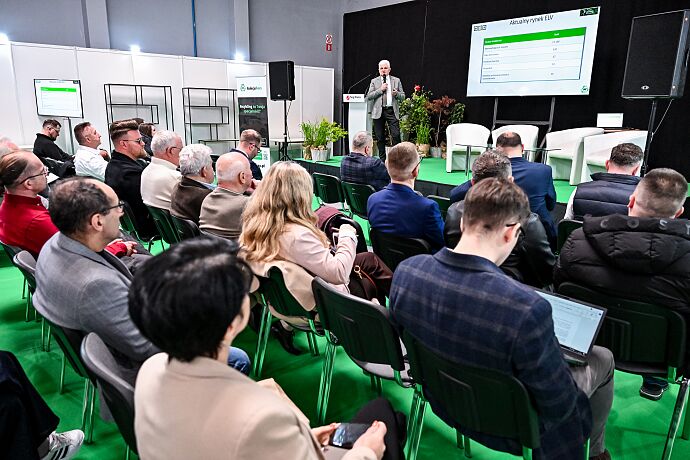
"After many years, the rules for when a vehicle becomes waste will finally be clarified," said Adam Małyszko
The new regulations will change how vehicles are classified and how dismantling stations and insurance companies operate.
At the same time, the industry is facing national-level problems. One of the most important issues is the location of dismantling stations in local development plans. According to the Ministry of Development and Technology's interpretation, installations with an area exceeding 5,000 m² should be located in infrastructure zones. In practice, in many municipalities, they are assigned to other zones, which may make it difficult to obtain administrative decisions and, in extreme cases, pose a risk of suspending operations.
“We do not want to create a situation in which an official decides at his discretion whether a dismantling station can operate or not - we need clear, uniform rules for the entire country.”
The excessive length of administrative proceedings also remains a problem, as obtaining or changing an environmental decision can take several years, which significantly affects companies' development opportunities and the stability of their operations.
“Waiting 5-6 years for an administrative decision in an industry that is supposed to operate operationally every day is a situation that actually blocks the functioning of companies.”
The FORS presentation also highlighted market changes and the number of vehicle collection points, which has dropped from around 150 a dozen or so years ago to 67 today. At the same time, the importance of selling used parts online is growing, and the market is becoming more structured and competitive.
From 30 June 2026, the integration of the dismantling station with the CEPIK system is also planned. This solution means automatic deregistration of the vehicle upon issuance of the certificate, without the owner needing to visit the office.
New development directions also include cooperation with insurance companies, such as using auction platforms to sell vehicles intended for dismantling, which may affect market organisation and access to raw materials.


(BB)
Recommended articles