News

Urban Greenery Is Not Just Aesthetics – It Is Life Infrastructure. Experts Discuss Biodiversity at EKOTECH 2026
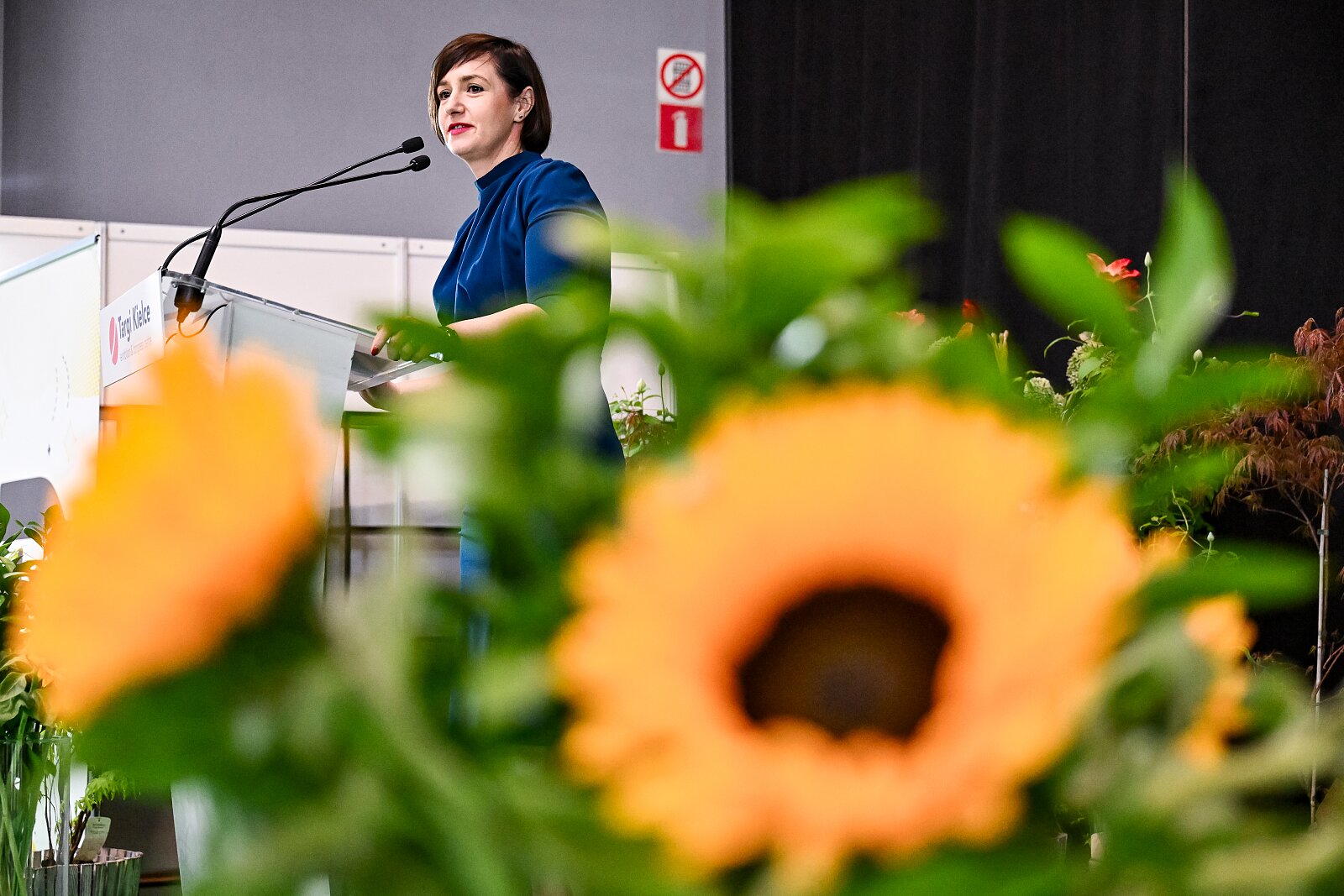
The event was also attended by Aneta Boroń, Deputy Mayor of Kielce, who oversees the city’s environmental and municipal economy operations.
– Today, urban greenery is not only about aesthetics, but above all, the quality of life of residents and a response to climate change – she said in a conversation during the conference.
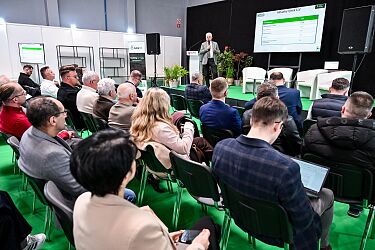
The agenda included both examples of local implementations and a broader perspective on the challenges facing contemporary cities.
One of the most engaging presentations was by Dr Michał Adamus from the Federation of Polish Arborists, who highlighted errors in the design of urban greenery and their consequences for ecosystems.
– If we plant rows of thujas in the city and keep the lawn evenly trimmed, we are actually creating a desert for ourselves – he emphasised.
The selection of plant species and the structure of the greenery are of key importance as monocultures and simplified forms of spatial development limit the development of organisms and thus weaken the functioning of urban ecosystems.
He assigned a special role to mature trees.
– Old trees are biodiversity hotspots – they have the most microhabitats in which numerous species can live – he noted.
He emphasised that ecological continuity is as important as the plantings themselves – connecting parks and green areas into a system enabling the migration of organisms. Without this, urban habitats become fragmented, weakening them.
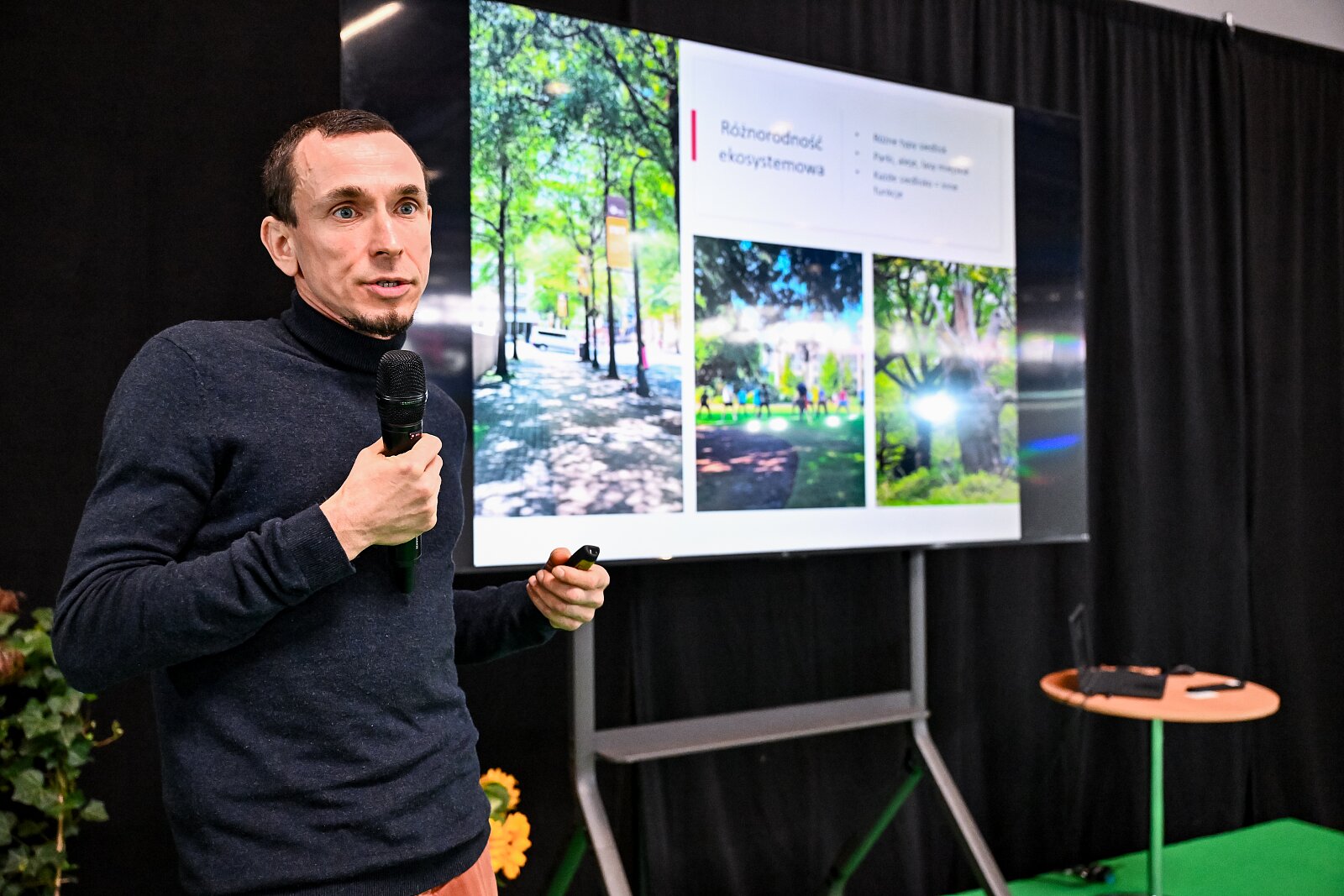
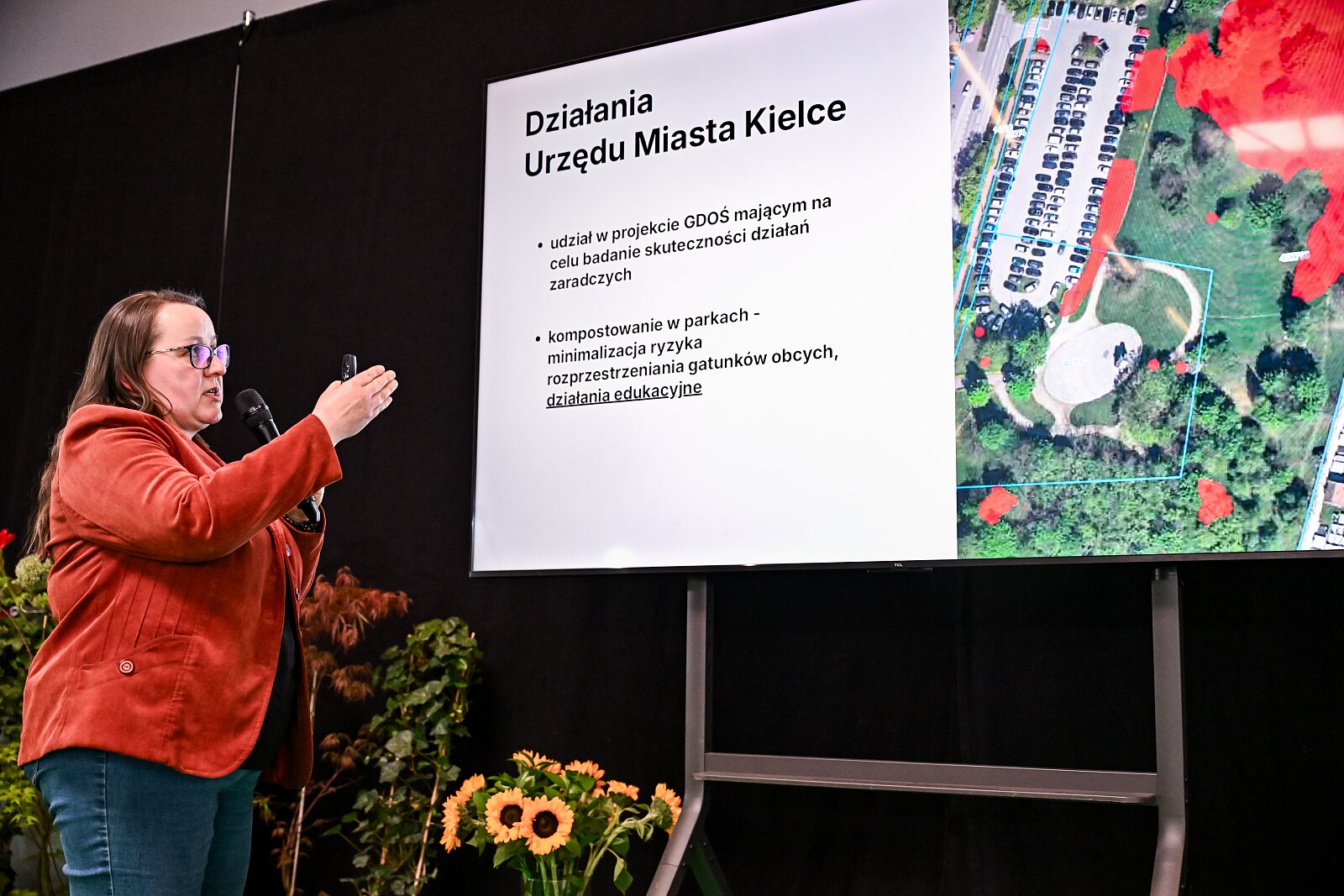
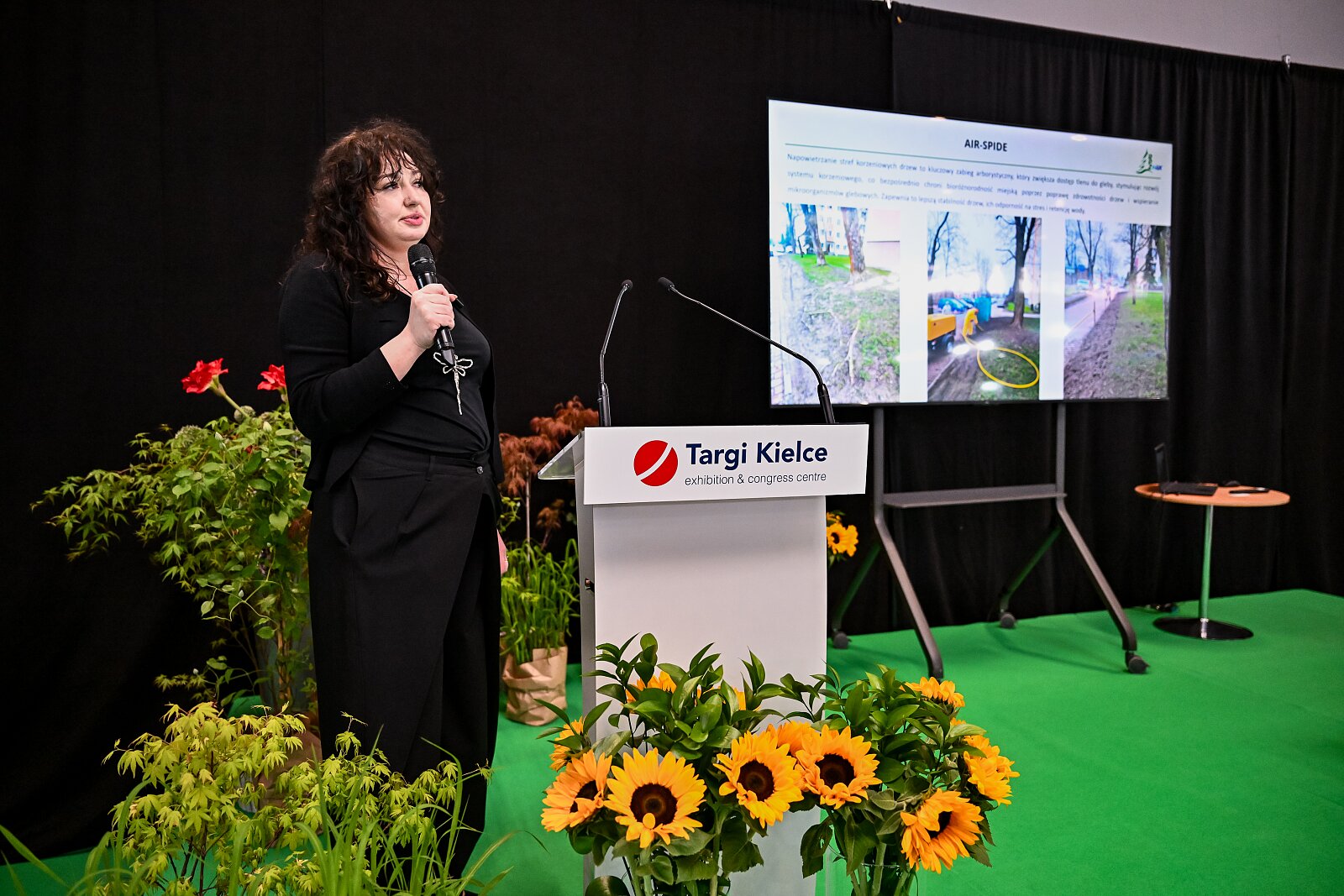

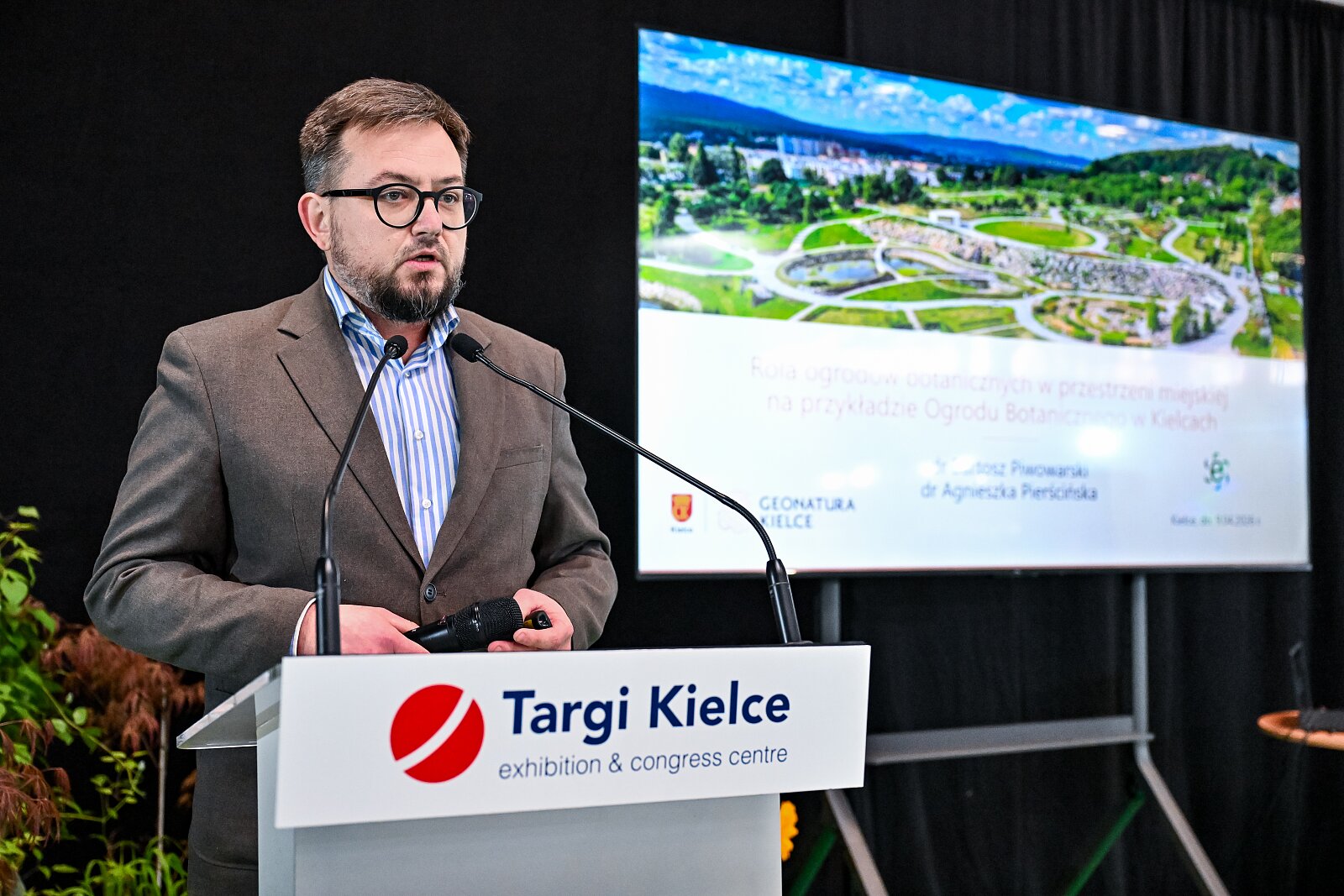

Among the examples presented were also local initiatives. Agnieszka Boszczyk from the Design Institute in Kielce presented the concept of the Sensory Garden, which is intended to engage users with all their senses and build their relationship with nature. The project involves dividing the space into zones corresponding to different stimuli – from smell and touch to sound and taste – and adapting it to the needs of different user groups, including people with disabilities.
Małgorzata Grudzień, President of the Management Board of the District Greenery and Municipal Services Company in Kielce, also spoke about the importance of practical activities and the exchange of experiences.
– We share good practices in greenery care for the broader city. Participating in the trade fairs can help us establish contacts with company representatives, thereby further improving the quality of our services, she pointed out.
The conference showed that managing urban greenery requires not only knowledge of nature, but also planning and cooperation between various groups. It is this approach that determines whether cities will be able to meet the environmental challenges of the coming years.
Recommended articles