News
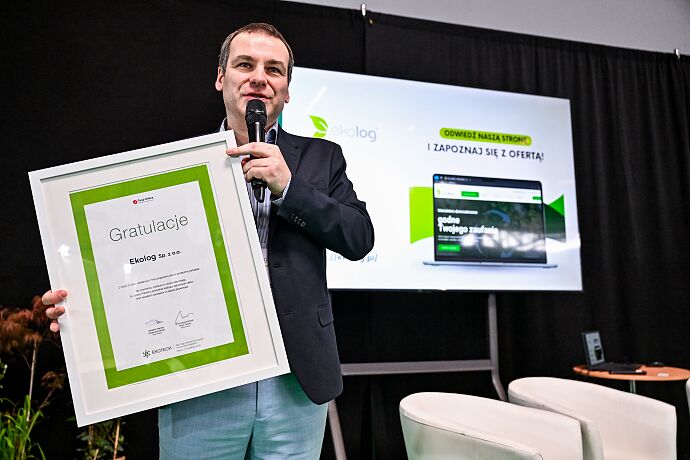
An industrial area does not always mean that waste management activities permission - the success of an investment is often determined by the details included in the local plan resolution," said Jaku
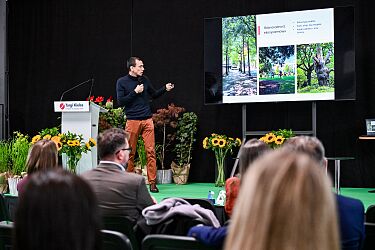
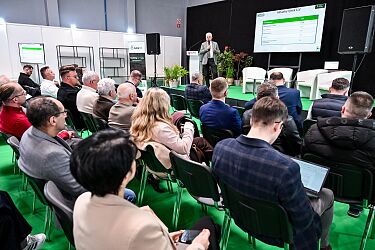
EKOLOG, celebrating its 25th anniversary this year, shared its experience from hundreds of installation inspections and administrative proceedings conducted nationwide. The speech was delivered by Jakub Smakulski, a specialist in environmental protection and spatial planning, who has been supporting entrepreneurs with environmental decisions and BDO records for years.
One of the key topics was the inspections conducted by the Environmental Protection Inspectorate, and the most common errors revealed.
"The most common problems during inspections do not result from major failures, but from discrepancies between the decision and practice – waste is stored differently than specified in the application or permit.” pointed out Jakub Smakulski.
This primarily concerns situations in which waste is stored in other containers, in a different location or in a different manner than specified in the documentation. This area most often determines the outcome of the inspection.
Following the changes introduced by the so-called Fire Protection Act, waste storage must be described in much greater detail than before. Specific parameters are key: storage space, maximum storage height, and waste weight. All this data must be consistent with each other and reflect the actual way business is conducted.
Declared storage limits also remain a significant problem if an entrepreneur indicates a specific amount of waste in the documentation, it must be consistent with the actual situation. Discrepancies in this area are among the most frequently detected violations – especially for hazardous waste.
The speech also pointed out that not only waste is subject to inspections, but also parts warehouses, vehicle reception areas and dismantling areas as the parts warehouse must be included in the decision, have a specific area and location, and meet formal requirements, including the obligation to have a roof.
The issue of integrated permits was also an important element of the presentation. As emphasised, they are not a solution for everyone and are associated with higher costs and a more complex procedure, but they can provide greater operational stability and broader operational possibilities.
In practice, this means an advantage for those installations that are formally prepared, and limitations for those that have to wait months for a change of decision.
The presentation also covered issues related to the investment process and environmental decisions. The experience shared at the presentation shows that the need to obtain them arises, among other things, when increasing processing capacity, changing technology, purchasing new equipment or expanding installations. Planning such activities, as emphasized should cover a realistic perspective of several years.
Particular attention was paid to spatial development plans and general plans of municipalities as the provisions of these documents that in practice, determine the possibility of implementing the investment, not the designation of the land itself, but the specific provisions of the resolutions.
The newly created municipal general plans will also influence the installation's future development possibilities. In this context, the need for active participation of entrepreneurs in planning processes was highlighted at the stage of submitting applications and public consultations.
(BB)
Recommended articles