News
Humanist funeral at NECROEXPO - a personal farewell in the spotlight
During the three days of the NECROEXPO, guests will witness three exemplary humanist ceremonies. Each one presents a different approach to individual farewells and shows how contemporary ceremonies can meet the needs of families seeking a more personal way to commemorate their loved ones.
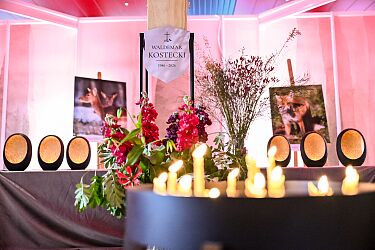
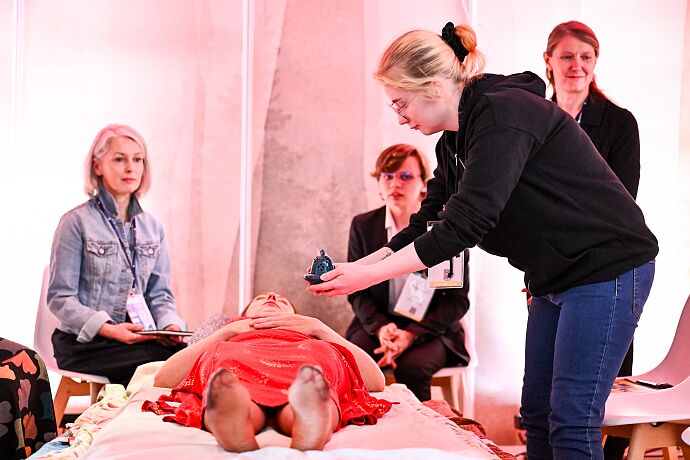
The first celebration presented was dedicated to the memory of the herbalist. The specially arranged Farewell Room was filled with flowers, natural scents, and texts that referred to her life and passions. The space was designed to create an atmosphere of reflection and remembrance, while also showcasing the possibilities of personalising contemporary farewell ceremonies.
What is a humanist funeral?
A humanist funeral is a farewell ceremony focused on the deceased, their life, achievements and relationships with loved ones. Its purpose is to honour the memory of the deceased in a personal way. This type of ceremony is a celebration of life – its values, experiences, passions and memories.
Humanist ceremonies are a response to the needs of people seeking a meaningful and personalised farewell. They are most often secular in nature, but may be enriched with selected religious elements, such as prayer or song, if the family or the deceased person wishes.
Humanist farewells in Europe and Poland
Humanist funerals originate from the philosophy of humanism, which emphasises human dignity, individuality and responsibility for one's own life. The first ceremonies of this type began to appear in the 19th century in Western Europe, in the 20th century, they gained particular popularity in Scandinavian countries, Great Britain, the Netherlands and Germany. In Poland, humanist ceremonies are a relatively new phenomenon, but they are becoming increasingly popular every year. This is influenced by both social changes and the growing need to create more personal and individual forms of farewell.
What distinguishes a humanist funeral?
The most important feature of a humanist funeral is its individual character. The ceremony script is created based on the deceased's life story, interests, values and relationships with loved ones.
The ceremony is mastered by a humanist celebrant who prepares the ceremony, delivers the eulogy, and ensures the appropriate atmosphere. Symbolic gestures and personal rituals also play an important role – these may include shared memories, lighting candles, using important objects, colours, or music related to the life of the person being said goodbye.
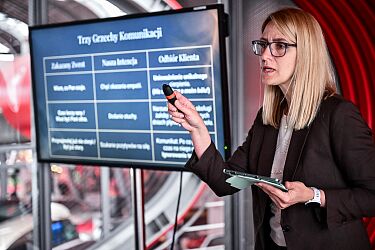
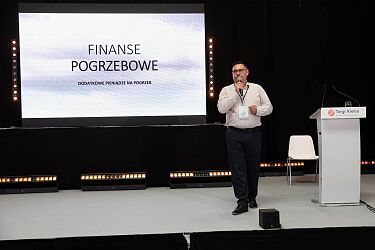
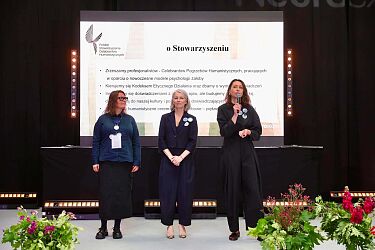
Demonstration ceremonies organised during NECROEXPO allow visitors to see what this form of farewell looks like in practice and how it can be given a unique, personal dimension.
You can read about the details of humanist ceremonies on the website www.celebranci.org
![20260529-NECROEXPO-0127.JPG [5.39 MB]](https://www.targikielce.pl/storage/image/core_files/2026/5/29/cc658259a93ecf5f1b70bed5b6278cc9/default/preview/20260529-NECROEXPO-0127.JPG)
![20260529-NECROEXPO-0123.JPG [4.83 MB]](https://www.targikielce.pl/storage/image/core_files/2026/5/29/6a9a857bf816d0d2f8d3d316442845a4/default/preview/20260529-NECROEXPO-0123.JPG)
![20260529-NECROEXPO-0121.JPG [5.50 MB]](https://www.targikielce.pl/storage/image/core_files/2026/5/29/e9a460b3f396d763fb726404d50d05f8/default/preview/20260529-NECROEXPO-0121.JPG)
![20260529-NECROEXPO-0117.JPG [5.02 MB]](https://www.targikielce.pl/storage/image/core_files/2026/5/29/e0360cd2fe5de988960e387c17f34aef/default/preview/20260529-NECROEXPO-0117.JPG)
Recommended articles