News
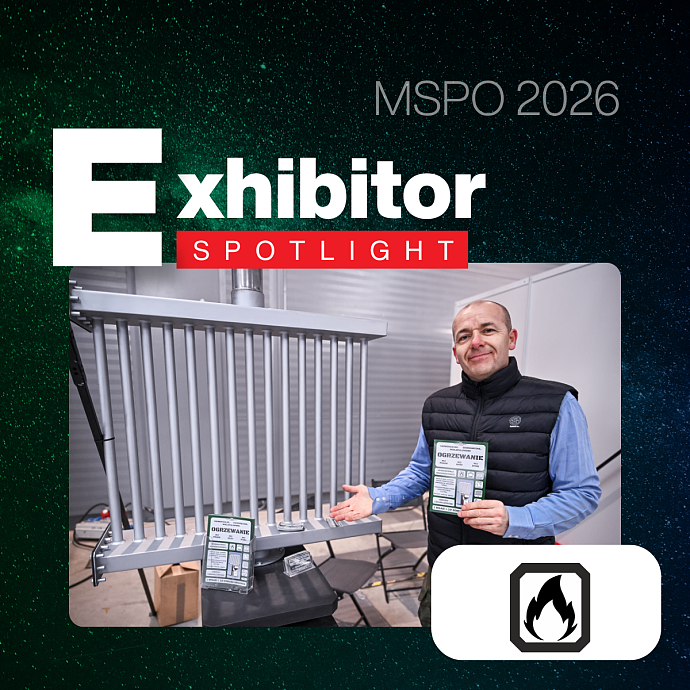
MSPO 2026: a heating system prepared for crisis situations
The equipment is aimed primarily at uniformed services, civil defence formations, local governments, off-grid enthusiasts, farmers, and anyone fortifying their emergency preparedness infrastructure. Owing to its smart modular architecture, the system can be tailored precisely to the user's current needs and subsequently upgraded with advanced secondary functionalities.
A Multi-Tasking System for Heating and Culinary Survival
The manufacturer stresses that the device is capable of performing several vital functions simultaneously. Beyond its primary role of space heating, it enables meal preparation, baking, and the rapid drying of garments, footwear, and foodstuffs. When upgraded with specialized modules, it can also heat domestic hot water and integrate seamlessly with central heating installations.
The system is highly versatile, operating effectively in residential buildings, garages, workshops, emergency shelters, utility rooms, tactical tents, greenhouses, or polytunnels. Its highly mobile construction ensures rapid transport and swift deployment directly at the point of need.
True Power Grid Independence
One of the system's most defining advantages is its ability to operate completely independent of the electrical grid. The internal architecture was intentionally engineered to bypass the need for electronic controllers, fans, or automated fuel feeders, guaranteeing continuous operation even during total grid failure.
According to the manufacturer, the unit utilises an advanced biomass gasification process paired with secondary flue-gas combustion. This engineering approach maximizes fuel efficiency, dramatically reduces smoke emissions, and elevates the overall thermal efficiency of the combustion cycle. The manufacturer also notes that the system discharges exhaust gases at significantly reduced temperatures, which effectively lowers its thermal signature in the infrared spectrum.
Unmatched Fuel Versatility
The system was conceived from the ground up as a multi-fuel appliance. Under standard operating conditions, it efficiently utilizes firewood, briquettes, pellets, wood chips, or branches. The manufacturer also indicates that the unit can process other wood-derived materials or select liquid fuels when configured with the appropriate specialized module.
This high level of flexibility dramatically increases user independence in critical situations where access to standard fuel supplies is heavily restricted.
Smart Modular Architecture
The cornerstone of this engineering project is its modular design. Users can customize and expand the device by integrating a variety of specialized attachments, including:
- a thermal mass heat-accumulation module
- a heat exchanger for domestic hot water preparation
- a central heating integration module
- an integrated drying function
- a dedicated baking oven or smoker attachment
- a specialized burner for pellets or liquid fuels
This flexible approach allows owners to deploy a basic configuration initially and expand the system as their tactical or operational requirements evolve.
Key Advantages of the Featured Solution
The manufacturer highlights the following core benefits of the system:
- True Power Grid Independence
- a modular architecture designed for seamless upgrades
- broad multi-fuel compatibility across various energy sources
- all-in-one functionality: heating, cooking, drying, and hot water generation
- a mobile, transport-friendly layout built for rapid deployment
- long-lasting thermal mass heat accumulation for extended warmth
- dramatically reduced smoke emissions via advanced secondary combustion technology
A Polish Engineered System for National Energy Security
The crisis-response heating system presented at MSPO was entirely developed and engineered in Poland, with the manufacturer pledging the use of almost exclusively domestic components. The solution taps perfectly into the growing global interest in technologies designed to boost infrastructure resilience and secure energy independence for both private individuals and institutional entities.
Recommended articles