News
Amendment to the Act on Maintaining Cleanliness and Order – necessary and significant amendments for municipalities and residents are to come into force
04 November 2025
RCL has published draft amendments to the so-called Cleanliness Act, a step towards more effective waste management at the local government level. What is worth paying attention to?
In a nutshell, the changes provide municipalities with greater control and flexibility, realign costs, increase transparency in tenders, create an incentive for composting, require municipalities to increase the availability of PSZOKs [points of selective collection of municipal waste], and strengthen enforcement of segregation and honesty in declarations.
Proposed changes include:
- The waste fee consists of a fixed and a variable part, depending on the amount of waste generated.
- The municipality will be able to react flexibly, assessing whether, in a given case, a higher fee should be imposed for not sorting waste.
- The head of the commune (town or city mayor) will be able to obtain data from water and sewage companies in order to verify waste declarations.
- The project includes the obligation to provide a minimum number of PSZOKs (and, where this is more challenging, to offer mobile solutions) to increase residents' access to the waste collection infrastructure.
- The legislator's goal is actually to accelerate selective collection and recycling - today, Poland achieves a recycling rate of approximately 32%. In comparison, the required minimum for 2025 is 55% (with a plan to reach 60% by 2030).
For local governments and waste industry companies, this is a signal: changes are coming that will require adapting processes, monitoring systems, and fostering cooperation between residents and local government.
Recommended articles
09 April 2026
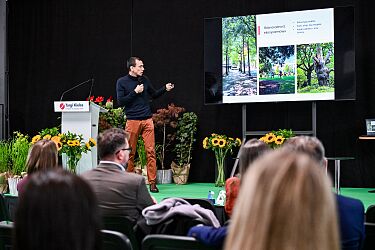
At the Urban Greenery Conference, held on the second day of EKOTECH 2026, experts and practitioners discussed how to design cities that are resilient to climate change and better meet residents' needs. Biodiversity and the role of greenery in urban infrastructure were at the heart of the discussion.
08 April 2026
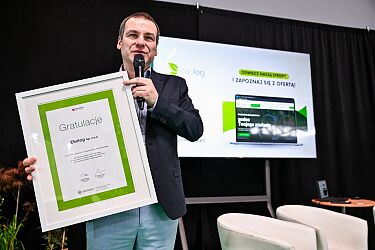
EKOLOG's lecture at the EKOTECH 2026 trade fair focused on the most common mistakes and challenges faced by vehicle dismantling station operators – from inspections to permits to investment planning.
08 April 2026
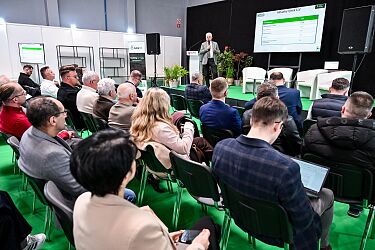
The EKOTECH 2026 trade fair featured the Car Recycling Forum Association (FORS), which presented an overview of the current state of the vehicle recycling industry. The speech delivered by Adam Małyszko, President of the Association, highlighted key regulatory changes and the problems faced by entrepreneurs.
08 April 2026
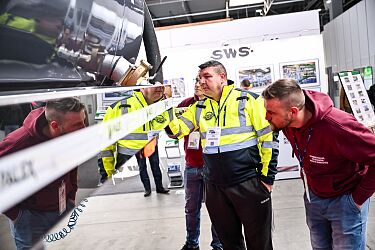
The Targi Kielce’s Ekotech Expo has commenced. 26 EKOTECH means three days of technology presentations, discussions about costs and regulations, and direct meetings with suppliers of waste management solutions
03 April 2026
On the occasion of Easter, we wish you a moment of rest and regeneration after an intense time of work. May this period bring peace, new energy, and motivation for further action in the areas of environmental protection and municipal management.
19 March 2026
VIVE Group will present the innovative VIVE Texcellence textile composite – a material made from recycled textiles – at the EKOTECH 2026 trade show. This is an example of the practical application of the circular economy to designing durable, functional solutions for public spaces.
17 March 2026
Orwak Polska, a manufacturer of equipment for sorting, compressing, and baling waste at the source, has joined the exhibitors' fellowship at EKOTECH 2026. The company provides solutions that support effective waste management and the optimisation of waste logistics in enterprises.
17 March 2026
The EKOTECH 2026 Environmental Protection and Waste Management Expo is granted the auspices of the National Fund for Environmental Protection and Water Management – an institution that has been playing a key role in financing environmental investments in Poland for nearly 37 years. The Fund supports projects related to climate protection, waste management, water management and energy transformation.